Chill House for Driving: A Calm Soundtrack for the Road
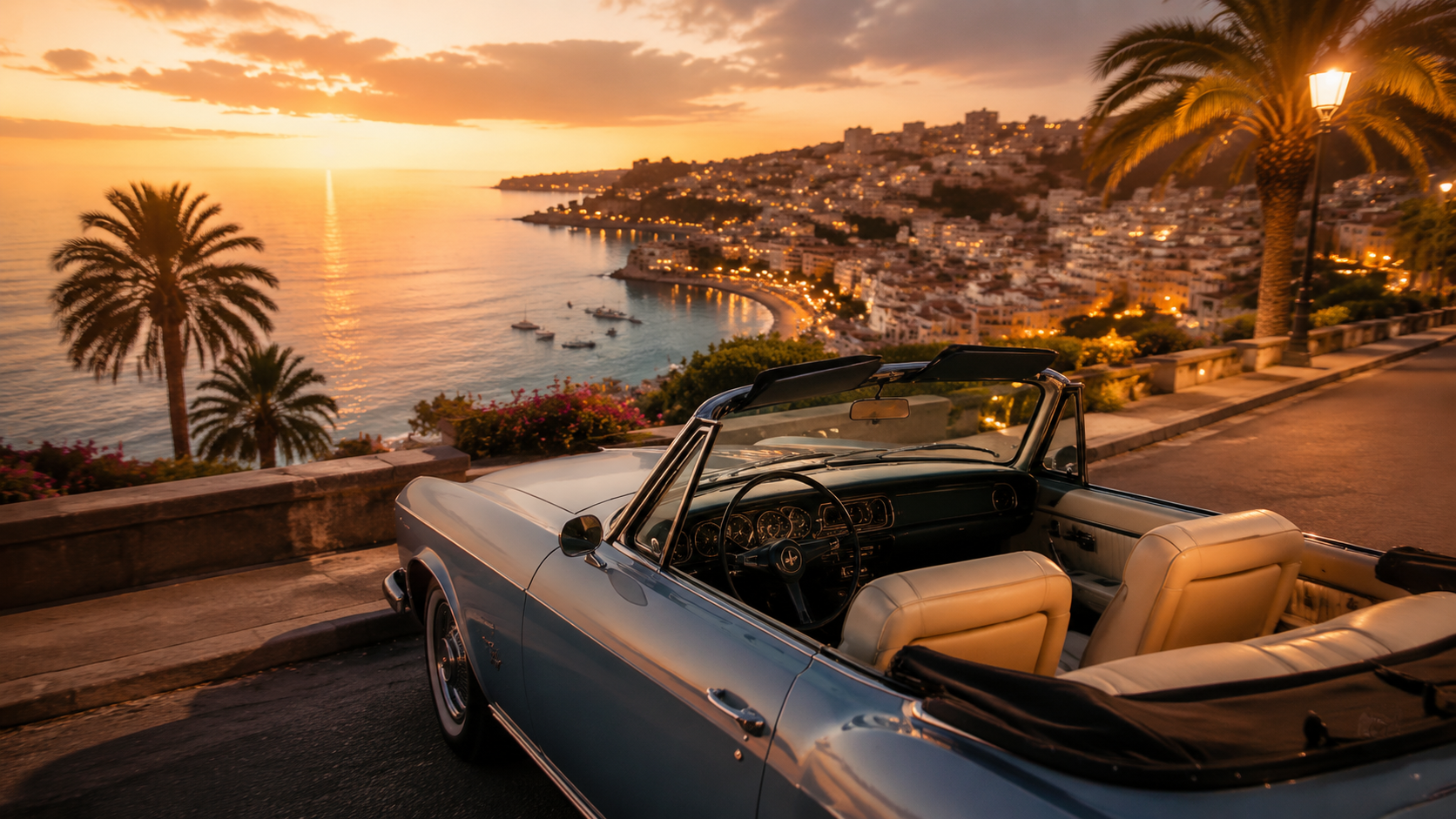
Some drives are about getting there. Others are about the road itself: a motorway at dusk, a coast road with the window cracked, an empty stretch of highway after dark. For those, the music matters more than people expect. You want something steady that never pulls your attention, never jolts you, and still gives the hours some shape. That is the case for chill house for driving: a warm, even groove that sits in the background of your mind and keeps the mood level while the miles go by.
This article is not a list of songs. It is a way of thinking about what a good driving soundtrack does, what to avoid, and how to set things up so you never have to touch your phone while moving.
Why chill house works for driving
Driving is a strange kind of attention. Most of the time it is routine, and a small part of your mind handles it on autopilot. Then a car brakes ahead or a junction appears, and all your focus snaps back. Music for the car should respect that rhythm. It should fill the quiet stretches without competing for the part of your brain that is watching the road.
Chill house does this naturally. The pulse is gentle and regular, which gives the drive a kind of metronome. Basslines are round rather than aggressive, pads and chords move slowly, and there are few sudden drops. Vocals, when they appear, tend to be sparse and soft. If you are new to the sound, what chill house actually is explains where the tempo and texture come from, and why it sits so far from club-night house.
Compare that with music built around surprises. A track with a huge build and a loud drop is great on headphones in a living room, but in a car it can make you twitch at the wrong moment. Sudden dynamics are the enemy of a calm drive. Even, predictable energy is the friend.
What a good driving mix needs
Over a long drive, a few qualities matter more than any single track.
Consistency over highlights. On a playlist you skip through, every song is a small decision. On a long drive you want the opposite: a flow where no track feels like an event. A mix that holds one mood for an hour or two is more useful than a collection of favourites with wildly different energy.
A moderate, even tempo. Not so slow that it makes you drowsy, not so driving that it nudges your foot down. The aim is a pulse that feels like cruising. Trust your own feel here more than any number.
Smooth transitions. Gaps of silence, or a hard cut between two different keys or moods, break the spell. Beat-matched, harmonically blended mixing keeps the sound continuous, which is why a mixed stream often works better in a car than a shuffled playlist.
Limited lyrical demand. Strong lyrics pull you in, and that is wonderful at home. On the road, instrumental or lightly vocal music leaves more room for your own thoughts and for the traffic around you.
No loud surprises. Sudden volume jumps, jingles and anything that makes you reach for the volume knob are working against you.
Chill house for night drives
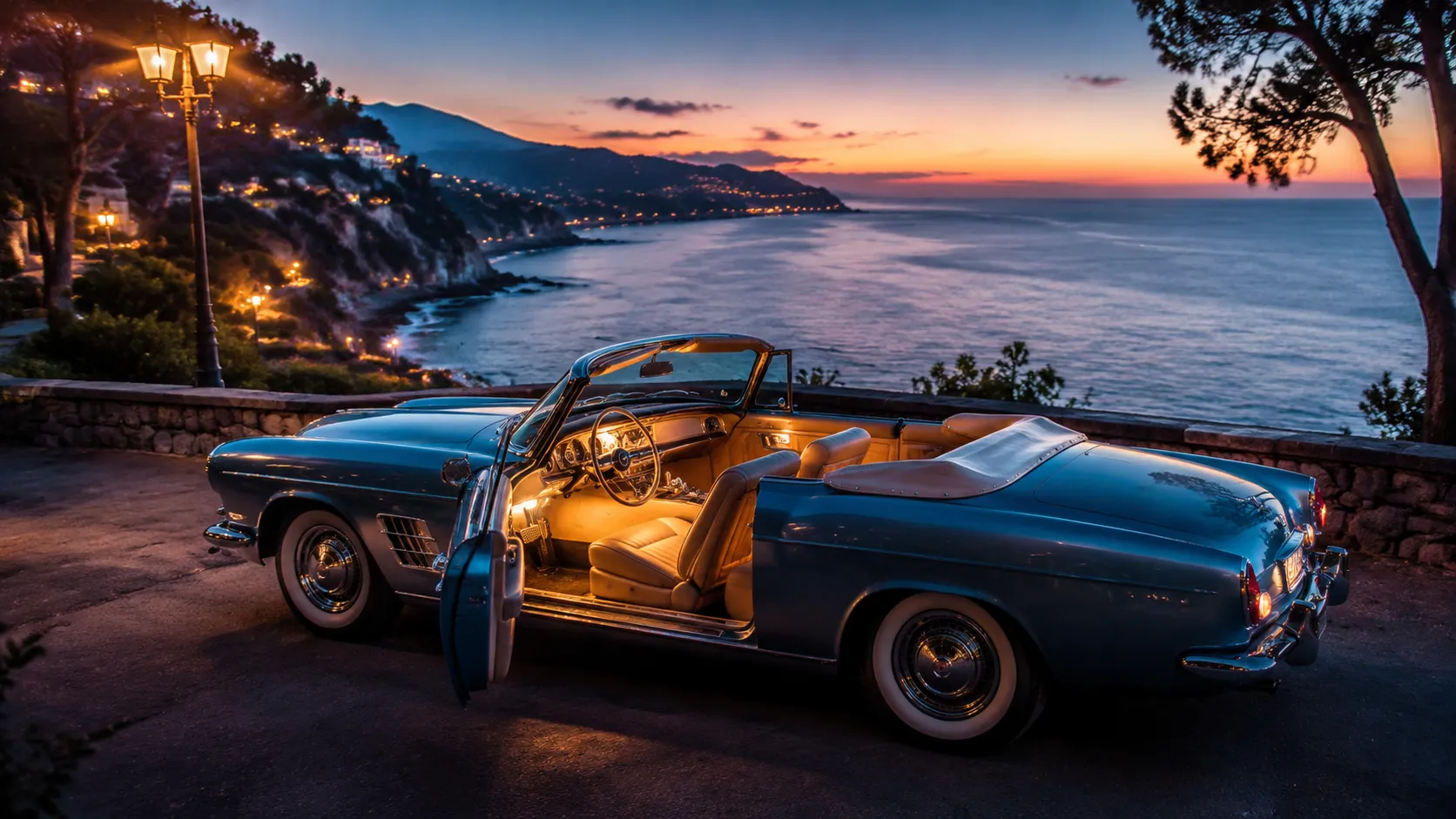
Night changes everything about driving. The road narrows to what your headlights show, other cars become pairs of lights, and the world outside goes quiet. Night drive house music suits that setting because it matches the stillness instead of fighting it.
At night, softer is better. A warm pad and a low, rolling bassline feel right when the dashboard glows and the landscape is dark. Bright, busy, high-energy tracks can feel jarring against the quiet outside. Aim for something that feels like the road looks: continuous, a little hypnotic, and calm.
There is one honest caution. Very relaxing music is also, by design, a little sleepy. If you are tired at the wheel, no playlist can fix that. If you notice heavy eyelids, repeated yawning or drifting attention, the right answer is to stop, get fresh air, walk a bit and rest, rather than turn the music up or change the genre. Treat calm music as company for an alert driver, never as a substitute for rest. If you want music for the moment after you park and head to bed, chill house for winding down is made for exactly that, but keep it for when the engine is off.
Road trips: pacing the hours
Road trip music is a different challenge from a commute. On a long journey the music has to last, and it has to survive changes in your mood, the light and the landscape. It helps to think in phases.
The start. You are fresh, the day is open, maybe you are chatting with passengers. A lighter, warmer sound with a little more movement suits this, something that says the trip has begun without shouting about it.
The long middle. This is where steadiness pays off. Hours on a motorway call for something unobtrusive and even. A continuous mix earns its place here, because you are not thinking about music at all, only noticing that the atmosphere in the car is pleasant.
The golden hour. Late afternoon light on the road deserves its own mood. A sunset drive suits sunlit, slightly Balearic textures, which is the territory of sunset chillout music: warm chords, an easy pulse, a sense of the day winding down.
The final stretch. When you are close, a more settled sound helps you arrive calm instead of wired.
With passengers, the music should step back. The same logic that makes chill house work at a table, covered in dinner party music that lets conversation lead, applies in a car with friends: a groove that supports talk rather than interrupting it.
Weather changes how the same music feels. Rain on the windscreen, with the wipers keeping time, is one of the best driving settings there is, and the soft pulse of chill house sits well with it. The thinking in rainy day music for grey afternoons carries over almost directly, with one difference: keep the volume sensible so you can still hear the conditions around you. Bright midday sun asks for something a little airier, and fog asks for something more inward. You do not need a different playlist for each, which is another argument for a mixed stream: the energy stays inside a narrow, comfortable band, and the weather supplies the contrast.
Long solo drives also have an odd side effect. They are some of the few times in a day when you are alone with your thoughts for an uninterrupted stretch. Some people use that time to think through a project or plan the week. The qualities that make chill house good for concentration at a desk, described in chill house for work and deep focus, make it a good partner for that kind of thinking, and the focus mood page collects the steadier, more minimal end of the sound. Your first job is still the road. The music supports a clear head. It is never an excuse to let attention drift.
Setting it up so you never touch your phone
The best driving music is the music you stop thinking about. A few practical habits make that possible.
Start it before you move. Choose and press play while parked. Anything that needs scrolling, searching or tapping should be finished before you pull away.
Use a continuous source. A stream that mixes on its own means no song-by-song decisions. That is one of the main benefits of a live radio stream compared with a playlist: there is nothing to queue, shuffle or fix halfway through the journey.
Think about your connection. On long routes through rural areas, mobile signal can drop. If you rely on a stream, consider what happens in a tunnel or a patchy stretch, and keep a downloaded fallback ready. A short dropout is far less annoying when you expect it.
Set the volume once. A comfortable level is one where you can still hear a horn, an emergency vehicle or the road noise that tells you about your own car. Calm music does not need to be loud to work, and a lower volume often makes it feel more atmospheric.
Use voice or steering wheel controls if you must. Never type while driving. If something needs changing, wait for a safe place to stop.
Keep the cabin comfortable. Fresh air, a drink and sensible breaks. Music is one part of a pleasant drive, not the whole of it.
Take the road with the stream
If you want a soundtrack that simply runs, the Chillhouse Live radio stream plays chill house around the clock, mixed continuously, with no queue to manage and nothing to decide mid-journey. Open it before you set off and leave it be: the live radio stream.
If you would like to see the visual side of the project, or follow new mixes as they arrive, the YouTube channel is the place for that. Subscribing is a simple way to keep the next long drive stocked.
Safe travels, and may the road ahead be quiet and the groove steady.