
Hotel Lobby Music: A Calm Stream That Runs Itself
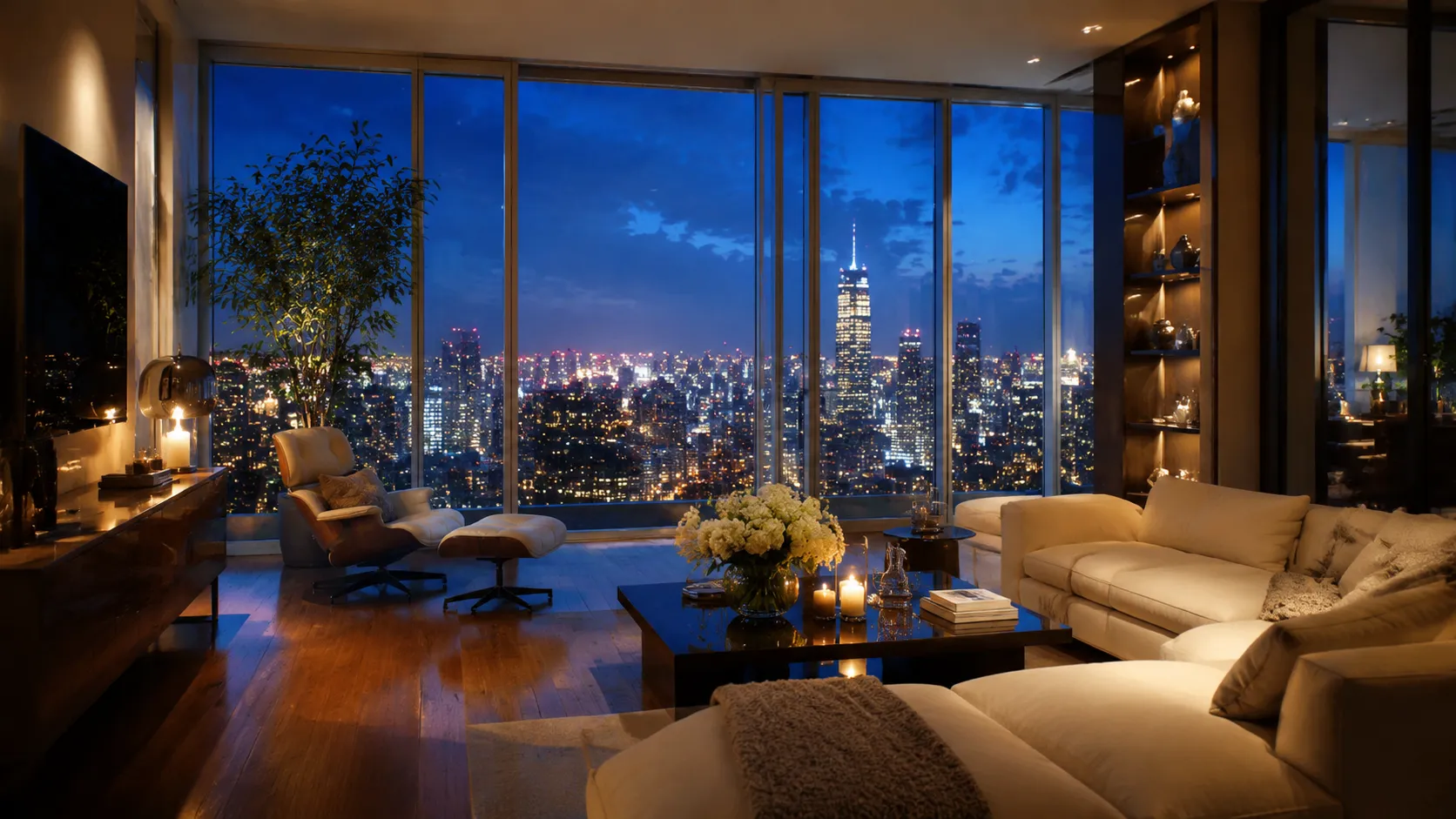
The lobby is the first room a guest judges and the last one they walk through. Nobody checks in thinking about the sound, yet a silent lobby feels like a waiting hall, and the wrong music makes a place feel cheap within seconds. Good hotel lobby music does a quiet job: it softens the edges of the room, covers the small noises of luggage and lifts, and tells people they have arrived somewhere cared for. The same goes for a practice reception or a small office foyer. The hard part is not finding a nice track. It is finding something that plays for twelve hours a day, stays in character, and does not need a person to babysit it.
What a lobby actually needs from its music
Before choosing anything, it helps to be honest about the job. Lobby music is background in the literal sense. It sits behind conversation, phone calls, and the noise of a front desk, and it should never compete with any of them.
That gives you a short list of requirements:
- No vocals in the foreground. A voice singing words pulls attention away from the person speaking to your staff. Instrumental or very sparse vocal textures keep the room easy to talk in.
- A steady, gentle tempo. Rhythm gives a space a sense of quiet life. A pulse that is felt more than heard works far better than either silence or a beat that drives.
- No sudden changes. Loud drops, abrupt genre jumps, and tracks that start with a bang are the enemy. The energy curve should be flat and warm.
- Consistency over hours. The sound at 7 a.m. and at 11 p.m. should clearly belong to the same place, even if the level is different.
- No commercial breaks or chatter. A hotel is not a radio station with jingles and presenters. Anything that speaks over the room breaks the spell.
Many streaming playlists fail on the last two points. They shuffle across moods, and a single mismatched track is enough to make a lobby feel unattended.
Why chill house works for a lobby
Chill house (a slower, softer relative of deep house) sits in a useful spot between two extremes. Ambient music is calm but can feel empty in a large room, almost like a hum. Ordinary dance-leaning house is too active for a place where people are collecting a key card or asking about breakfast. Chill house keeps a low, even pulse, warm chords, and space between the sounds, so the room feels alive without being busy.
It also reads as premium without announcing itself. The palette is smooth: soft basslines, rounded synth pads, light percussion. That tends to suit stone, wood, brass, and warm lighting, the materials many lobbies are built from. If you want to understand the sound in more detail, What Is Chill House? The Sound, the Tempo and Where It Came From explains the tempo range and how the genre grew out of house music.
For a lobby that doubles as a lounge, with a few sofas, a bar corner, or an evening coffee service, the lounge music page collects the slightly warmer, more social side of the same sound.
Hotel lobby music you never have to touch
The real cost of background music is not the music. It is the attention it demands. A playlist has to be built, refreshed, and fixed when a track feels off. Someone has to notice when it stops. In a busy hotel, that someone is usually the front desk, who has better things to do.
A continuous stream removes most of that work. Instead of a library you manage, you point a device at one address and it plays. When you evaluate any option for hotel background music, ask a few practical questions:
- Does it run 24/7 without a schedule? The stream should simply be there when you arrive in the morning.
- Does it recover on its own? Networks blip. A good player reconnects without anyone pressing anything.
- Is the mood consistent from track to track? This matters more than variety. Guests do not want variety from a lobby, they want calm.
- Is it free of speech and ads? Anything that interrupts is a reason to switch it off.
- Can you change the level without changing the sound? You should adjust volume at the amplifier, not by re-curating.
The Chillhouse Live radio stream is built around exactly this idea: one continuous program of chill house, no playlist to manage, no presenter talking over it. It is a single address that any player capable of opening a web stream can use.
One note on rights, since it matters for any business. Rules for playing music in a commercial or public space differ by country and by how a venue is used. Before you put any source on your lobby speakers permanently, check what applies where you operate, and keep that answer on file the same way you would for any other supplier.
Setting it up once and leaving it alone
The technical side is short. A lobby needs a small always-on player, a connection to your existing speakers or amplifier, and a stable network. Here is a sensible way to think about it.
Use a dedicated device. Do not run lobby music from a laptop someone also uses for email, or from a phone that gets carried home. A small always-on player, a media box, or a spare computer that stays plugged in is enough. The point is that nobody has a reason to touch it.
Wire it, if you can. A cable to the network is more reliable than Wi-Fi in a building full of guests, phones, and thick walls.
Set the start-up behavior. Configure the device to launch the player and open the stream address automatically after a power cut or restart. This single step decides whether the system is truly maintenance-free or something staff have to fix on Monday morning.
Set the level once, at the amplifier. Find a volume where you can hold a conversation at the desk without leaning in, then leave it. Test it with the room at its busiest, not at 6 a.m. when it is empty. A level that feels right in an empty room is almost always too loud once guests arrive.
Keep a plan B. Even a good stream can drop if the internet does. A quiet fallback, such as a short list of downloaded calm tracks or a second source, means the room never goes silent during a network problem. Nobody should notice a failure.
Volume, time of day, and different corners of the building
A lobby is not one room. The desk, the seating area, the lift lobby, and the entrance each have different acoustics and different jobs.
Near the desk, keep it lower. Staff talk to guests all day, and this is where clarity matters most. The music should be barely there.
In the seating area, you can let it breathe a little more. People here are waiting, reading, or meeting someone, and a bit more warmth in the sound helps them settle. If your reception works partly as a waiting space, the waiting room music page describes the same idea in a calmer, more neutral form.
Through the day, the level can follow the room. Mornings are usually quiet and slow, so lower is better. Afternoons and early evenings, when guests return and the lounge fills, can take a small step up. Late at night, bring it down again so that the night desk stays restful. You are shaping the room with volume alone, not by changing the playlist, which is why one steady stream works so well.
For practices, small offices, and clinics, the logic is the same, and Waiting Room Music for Practices and Offices goes into how music affects a room where people are a little nervous or impatient.
What to avoid
Some choices look harmless and quietly damage a room.
- Recognizable pop hits. Familiar songs invite people to sing along in their heads, which is the opposite of background.
- Loud, bass-heavy club music. It reads as a nightclub entrance, not a front desk.
- Ambient nature sounds on their own. Rain and waves can feel more like a spa than a hotel, and in a big lobby they can sound like a broken tap.
- Frequent switching. A lobby that changes mood every hour feels unfocused. Pick one sound and let it be the signature.
- Speaker overload. Many small speakers spread evenly at low volume sound better than a couple of large ones pushed hard.
If your property has a spa or wellness area, keep the sound there separate and a little softer, along the lines of Spa Music With a Soft Chill House Pulse. The lobby and the spa should feel like relatives, not twins.
Where else the same stream fits
Once a lobby has a calm, steady sound, other parts of a property tend to want it too: the breakfast room, the bar, the corridors. One consistent sound across several rooms is also the reason a stream is easier than separate playlists. The same thinking behind Cafe Music That Runs All Day, No Playlist Needed applies to a hotel breakfast room. For a wider look at the places where this kind of music fits, The Best Places to Play Chill House: Bars, Cafés, Lounges & Deep Focus is a good next read.
Try it in your lobby
The simplest test costs nothing. Open the Chillhouse Live radio stream on whatever device sits closest to your speakers, set the volume where you can talk comfortably at the desk, and let it run for a full day. Listen at opening time, at the busiest hour, and late in the evening. If it disappears into the room in a good way, you have your answer. If it does not suit, you have lost nothing.
You can also follow along on the Chillhouse Live YouTube channel, where the same music runs alongside calm visuals. It is a good place to hear how the sound develops before you decide.